
Peptides
Peptides are short amino acid chains that stimulate natural growth hormone, recovery, and fat loss. They offer targeted effects like increased GH, better sleep, and faster healing — without full steroid suppression. Popular options like GHRP-6, CJC-1295, and Ipamorelin make peptides a smart middle ground for performance enhancement.
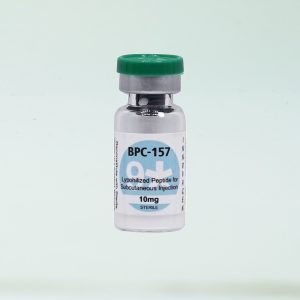
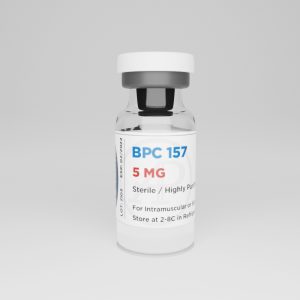
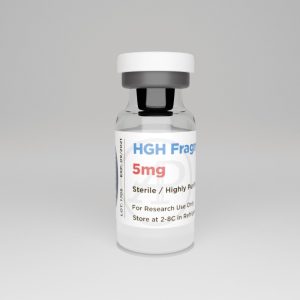
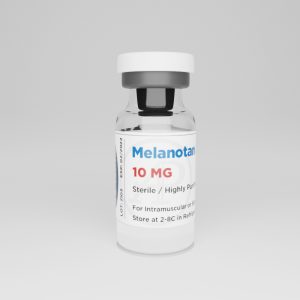
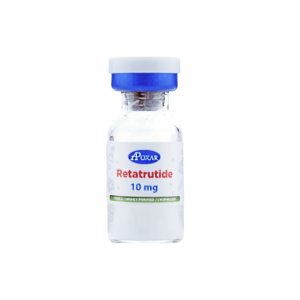
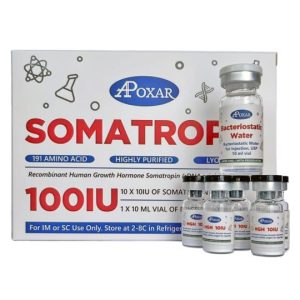
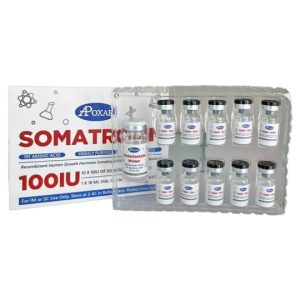
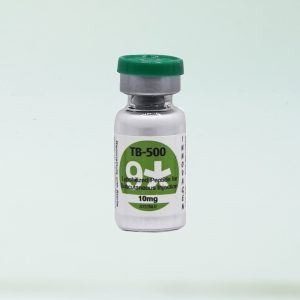
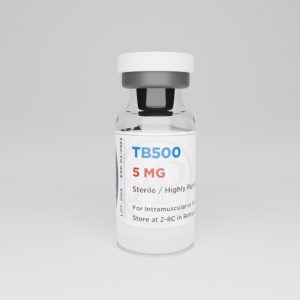
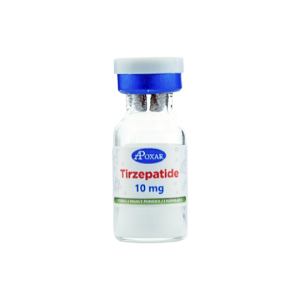
Think of peptides as instruction sets, not blunt-force drugs. They nudge your body to do what it’s already capable of, just more efficiently. That’s the primary benefit of this class.
What are peptides?
Peptides are amino acid sequences — short fragments of proteins — that signal your body to perform specific actions. Some tell the pituitary gland to release more growth hormone (GH), others target healing or fat metabolism.
They sit between natural supplements and hardcore anabolics: stronger than any over-the-counter stack, but far gentler than steroids on hormones, organs, and recovery systems.
Key peptide families include:
- GH secretagogues (GHRP-2, GHRP-6, CJC-1295, Ipamorelin);
- Recovery peptides (BPC-157, TB-500);
- Fat-loss peptides (HGH Fragment 176-191, AOD-9604);
- Sleep and wellness peptides (DSIP, GABA analogs).
Each group triggers a different cascade of natural hormone or cellular responses — that’s why “peptides” isn’t one thing. It’s a toolbox.
Peptides vs. anabolic steroids
The main difference: steroids replace hormones — peptides stimulate hormones.
Steroids flood your system with synthetic testosterone or anabolic hormones, which suppress natural production and require PCT (post-cycle therapy).
Peptides, meanwhile, signal your body to release or regulate hormones on its own — usually growth hormone or related pathways — meaning fewer shutdown risks and milder side effects.
|
Factor |
Steroids |
Peptides |
|
Mechanism |
Replace or mimic hormones |
Signal your body to release them |
|
Suppression |
Yes, significant |
Minimal or none |
|
Onset |
Rapid (days) |
Gradual (weeks) |
|
Results |
Stronger, faster |
Slower, more sustainable |
|
Side Effects |
Hormonal imbalance, organ stress |
Mostly mild (water retention, fatigue) |
Bottom line: Peptides are ideal for users who want progress without the hormonal crash. They don’t create mass overnight — they build foundation, longevity, and recovery.
Peptides for Muscle Growth
Muscle-building peptides focus on one pathway: growth hormone (GH) and IGF-1 stimulation. When GH rises naturally, your body ramps up protein synthesis, increases muscle cell volume, and improves tissue repair — without the shutdown or androgenic sides of steroids.
Most popular muscle growth peptides are:
- CJC-1295 (with DAC): Long-acting GH-releasing hormone analog that keeps GH elevated for hours;
- Ipamorelin: Gentle, steady GH secretagogue with minimal cortisol or prolactin spikes;
- GHRP-2 / GHRP-6: Stronger GH triggers that increase appetite and muscle fullness;
- HGH Fragment 176-191: Modified piece of HGH focused purely on fat metabolism (more below).
These compounds don’t blow you up overnight — they build denser, leaner, more resilient muscle tissue over time. Great for long-term users, TRT patients, or post-cycle recovery.
Peptides for recovery
This is where peptides really shine. Healing peptides repair connective tissue, improve joint integrity, and speed up recovery from training, injury, or surgery.
BPC-157 (Body Protection Compound):
- Accelerates tendon, ligament, and muscle healing;
- Reduces inflammation and chronic pain;
- Improves digestion and gut health.
TB-500 (Thymosin Beta-4)
- Enhances cell regeneration and tissue repair;
- Increases flexibility and mobility in injured muscles;
- Works synergistically with BPC-157 for full recovery cycles.
Recovery peptides are what keep advanced athletes training year-round without breaking down. They’re performance insurance.
Peptides for Weight Loss
Fat-loss peptides target metabolism and energy balance rather than hormones directly. They tell your body to use fat for fuel instead of storing it.
The most powerful of them is HGH-Frag:
HGH Fragment 176-191
- Specialized sequence from HGH focused on fat burning;
- Enhances lipolysis and prevents new fat accumulation;
- No significant effect on blood sugar or cortisol.
This peptide won’t “melt fat” alone — but combined with a clean diet and training, they tilt the metabolism in your favor.
Weight loss peptides must be stacked with lifestyle protocols for lean recomp phases. After all, the success of your cut is 99% done in the kitchen.
Peptides FAQ
How long do peptides take to work?
Usually 3–6 weeks for visible effects. Recovery peptides act faster; GH secretagogues take longer but build cumulative results.
Do peptides require PCT?
No. Peptides stimulate natural hormone release — they don’t suppress it.
Can peptides replace steroids?
Not directly. They’re slower, milder, and safer — great for maintenance, TRT add-ons, or natural performance optimization.
Do peptides cause side effects?
Usually mild: hunger spikes, fatigue, or light water retention. Overdosing or stacking too many GH secretagogues can cause numbness, tingling, or insulin resistance.
How are peptides taken?
Mostly via subcutaneous injections — small, painless shots under the skin. Some oral or nasal peptides exist, but injectables remain most effective.
Do peptides increase testosterone?
Not directly — they influence GH and IGF-1, which support an anabolic environment but don’t boost testosterone production.
Can I stack peptides together?
Yes. The most common stacks are:
- CJC-1295 + Ipamorelin for GH release;
- BPC-157 + TB-500 for recovery;
- HGH Fragment + AOD-9604 for fat loss.
Do peptides need to be cycled?
Yes — typically 8–12 weeks on, followed by a short break. Continuous use can desensitize receptors.
Do peptides show up on drug tests?
Yes, for competitive athletes. Most GH secretagogues and recovery peptides are banned under WADA guidelines.
Can I combine peptides with steroids?
Yes — safely. Peptides enhance recovery and fat loss while steroids drive muscle growth, creating synergy without added suppression.
Do peptides affect sleep?
Many GH-related peptides improve deep sleep through GH pulse synchronization, especially Ipamorelin and DSIP.
Are peptides safe for women?
Generally yes, at lower doses. BPC-157, TB-500, and GH secretagogues are well tolerated by female users seeking recovery or tone improvement.
Do peptides cause dependency?
No — but some users miss the improved sleep and recovery once off-cycle. Peptides don’t disrupt natural hormone production.
Can peptides help with skin or aging?
Yes. GH and collagen-stimulating peptides improve skin elasticity, hydration, and healing. Many users notice a younger, tighter look after consistent use.
Category Summary
Peptides are the next generation of smart enhancement — precise, versatile, and sustainable. They don’t replace steroids, they refine the process. Used intelligently — with patience, consistency, and verified sources — they’re the perfect middle ground between natural optimization and full-on anabolics.