
Buy Sterile Water for Injection 2mL (10 Vials) in Canada — OTC Supplies | Roids101
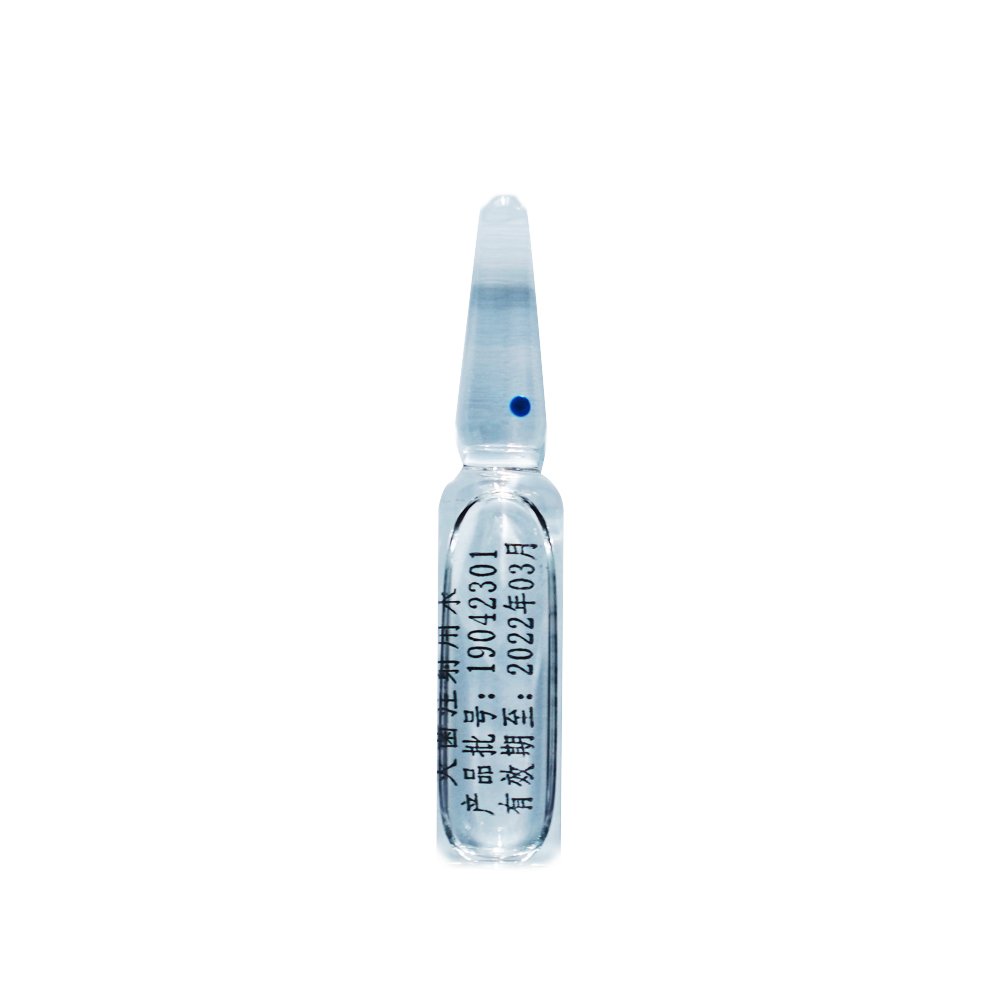
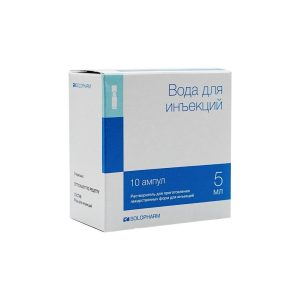
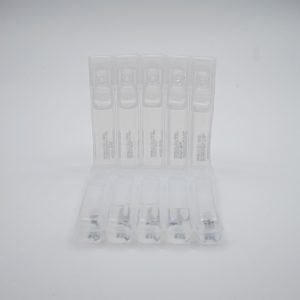
Buy sterile water for injection at Roids101 — OTC Supplies packs 10 x 2 mL single-dose style vials. If you reconstitute lyophilized powders (peptides, HCG, other lab-use compounds), you already know the drill: you need a sterile fluid that won’t fight your math, won’t introduce random crud, and won’t pretend to be something it isn’t.
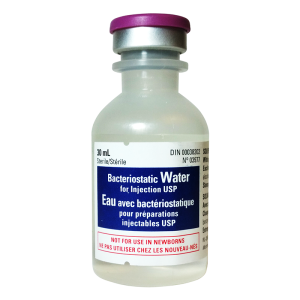
This is water for injections (WFI) — the straightforward choice when you want sterile diluent without a preservative system. It’s not bacteriostatic water. That distinction matters for storage timelines, repeat punctures, and how aggressively you should treat an opened vial. We’ll break all of that down below — with a comparison table, real use cases, and the hygiene habits that keep stupid infections off the menu.
What Is Sterile Water for Injection (WFI)?
Sterile water for injection is water prepared and packaged to meet injectable fluid standards — sterile, non-pyrogenic in the sense people expect from labeled WFI products, and intended for pharmaceutical-style preparation steps like dissolving or diluting other materials.
The thing is, “sterile” doesn’t mean “magically immune to stupidity.” Once you pop the seal, the clock starts. WFI doesn’t contain benzyl alcohol or other preservatives that let you treat a multi-dose vial like a month-long piggy bank. That’s the core difference vs bacteriostatic water — and it’s the reason so many guys buy both products and use them for different jobs.
Why the 2 mL Vial Size Shows Up Everywhere
Two milliliters is a practical increment for reconstitution. Many protocols call for 1-2 mL of diluent to hit easy unit math on an insulin syringe — especially when you’re working in IU (international units) or trying to keep concentrations stable for subcutaneous shots.
A 10 vial pack also keeps you from burning through one giant container every time you need a small amount. You open what you need, use it, and move on. That’s the mindset sterile technique rewards.
Common Use Cases for Sterile WFI (Practical, Not Theatrical)
People grab WFI for a handful of repeatable reasons. None of this replaces reading your compound’s actual instructions — but if you’re building a sensible accessory kit, these are the hits.
Reconstituting Lyophilized Powders
Freeze-dried vials need a sterile liquid to become injectable solutions. WFI is a standard pick when the goal is a clean dissolution step and you’re planning around single-use behavior after opening.
Dilution and Volume Adjustment
Sometimes you need to bring a solution to a specific volume or reduce irritation by diluting with sterile water — again, only when that matches the compound’s requirements and safe handling rules.
Lab Hygiene and “Don’t Cheap Out on the Boring Stuff”
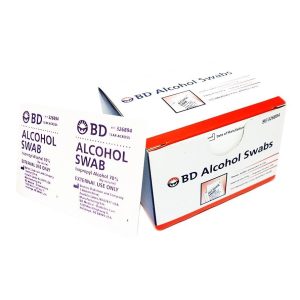
The boring stuff is what keeps you out of the ER thread on forums. Sterile water belongs in the same mental category as alcohol swabs, sharps discipline, and not reusing needles like you’re on a budget apocalypse prep.
WFI vs Bacteriostatic Water vs Saline — Quick Comparison
Search traffic loves this comparison — and the answer is annoyingly practical: different tools, different rules. Here’s a clean side-by-side.
| Fluid | What’s in it | Typical use case | After opening |
|---|---|---|---|
| Sterile water for injection (WFI) | Water, sterile — no preservative | Reconstitution, dilution when preservative-free is appropriate | Treat as short life — single-use mindset per opened vial |
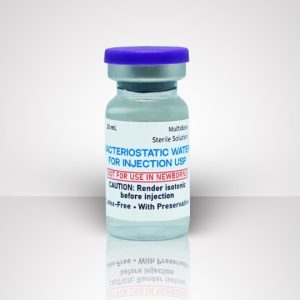
| Bacteriostatic water | Water + preservative (commonly benzyl alcohol) | Multi-dose reconstitution where label guidance allows repeated access | Longer room-temp discipline vs plain WFI — still follow expiry and hygiene rules |
| 0.9% sodium chloride (saline) | Isotonic salt solution | Contexts where isotonic dilution matters — not interchangeable with plain WFI for every protocol | Depends on product labeling — still requires sterile handling |
Bottom line: if you’re shopping “sterile water for injection” because you want preservative-free diluent, you found the right category. If you need multi-dose behavior for specific reconstitution workflows, bacteriostatic water is often the match — and yes, Roids101 carries Bacteriostatic Water too.
Storage, Handling, and the Hygiene Habits That Actually Matter
Keep Sealed Until Use
Heat, light, and sketchy storage shelves don’t help anything sterile stay boring. Cool, dry storage is the standard advice — and don’t freeze unless your labeling says you should (usually you shouldn’t improvise here).
Single-Use Discipline Per Opened Vial
WFI isn’t a party jug. Once the seal is compromised, treat the contents like they owe you money — use what you need for that prep session, don’t “save it for later” like leftover soup unless your protocol explicitly supports that (usually it doesn’t for plain WFI).
Needles, Vial Wipes, and No-Recap Theater
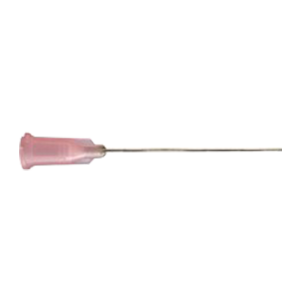
Wipe the stopper, use a fresh needle for draws, and don’t touch the hub to random surfaces. You’re not performing sterility for Instagram — you’re preventing the kind of contamination that turns a tiny oversight into a giant problem.
Why Grab the 10-Pack at Roids101?
OTC Supplies packaging in a 10 x 2 mL format is built for people who actually burn through sterile fluid instead of buying one vial and pretending they’re done for the season. At $20 CAD, it’s a sensible add-on alongside syringes, swabs, and whatever you’re reconstituting.
Roids101 ships discreet across Canada — same drill as the rest of the catalog: you get the accessory layer without turning your mailbox into a billboard.
Safety Notes (Straight Talk)
WFI doesn’t make a compound “safe” — it only does the job of sterile diluent when used correctly. Wrong concentrations, dirty technique, and guessing IU math still produce bad outcomes.
If you don’t know your exact reconstitution steps for a specific product, stop and verify. The water isn’t the risky part; the sloppy prep is.
Frequently Asked Questions
What is sterile water for injection used for?
It’s used as a sterile diluent for reconstituting lyophilized powders and other preparation steps where preservative-free water is appropriate — common in peptide and HCG-style workflows when labeling and protocol call for WFI.
Is sterile water for injection the same as bacteriostatic water?
No. Bacteriostatic water contains a preservative (often benzyl alcohol) that supports different multi-dose handling rules. WFI is preservative-free — treat opened vials with a stricter single-use mindset.
Can I use sterile water for injection with HCG?
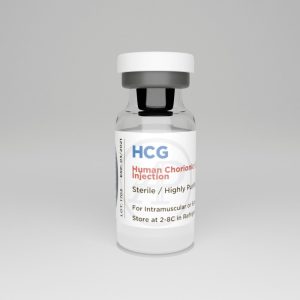
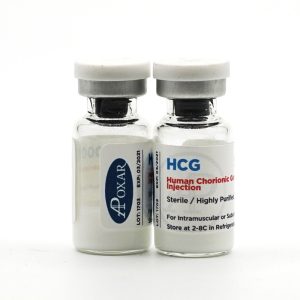
Many users reconstitute HCG with bacteriostatic water for multi-dose vial behavior. WFI can be used in some workflows, but timelines after opening become tighter without preservative — follow the guidance that matches your actual product and risk tolerance.
How many mL are in this pack?
10 vials x 2 mL = 20 mL total sterile water for injection in the pack.
Why buy 2 mL vials instead of one big bottle?
Smaller vials reduce how much sterile fluid sits exposed after opening — that’s a contamination control win — and they make dose math easier for insulin-syringe workflows.
Do I need insulin syringes with this?
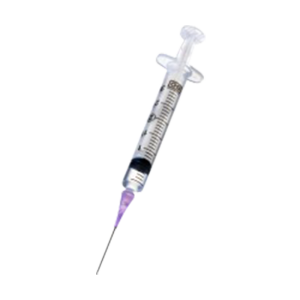
For many reconstitution and subcutaneous protocols, yes — a 1 mL insulin syringe is the common tool for accurate small-volume work. Add syringes and alcohol pads to your cart like an adult.
Can I drink sterile water for injection?
It’s not meant as drinking water — it’s packaged for preparation workflows, not hydration. Use products as labeled.
How should I store unopened vials?
Store sealed vials in a cool, dry place away from direct heat and light. Don’t use damaged packaging.
Is this product pyrogen-tested?
Labeled WFI products are manufactured to injectable water expectations — if you need formal documentation for a specific compliance use case, request what your process requires from support before ordering.
What should I buy alongside WFI for a complete prep kit?
Grab Bacteriostatic Water if you need preservative multi-dose behavior, add syringes and swabs, and pick the lyophilized compound you’re actually running — like HCG — so you’re not stuck mid-protocol without the boring essentials.

Reviews
There are no reviews yet